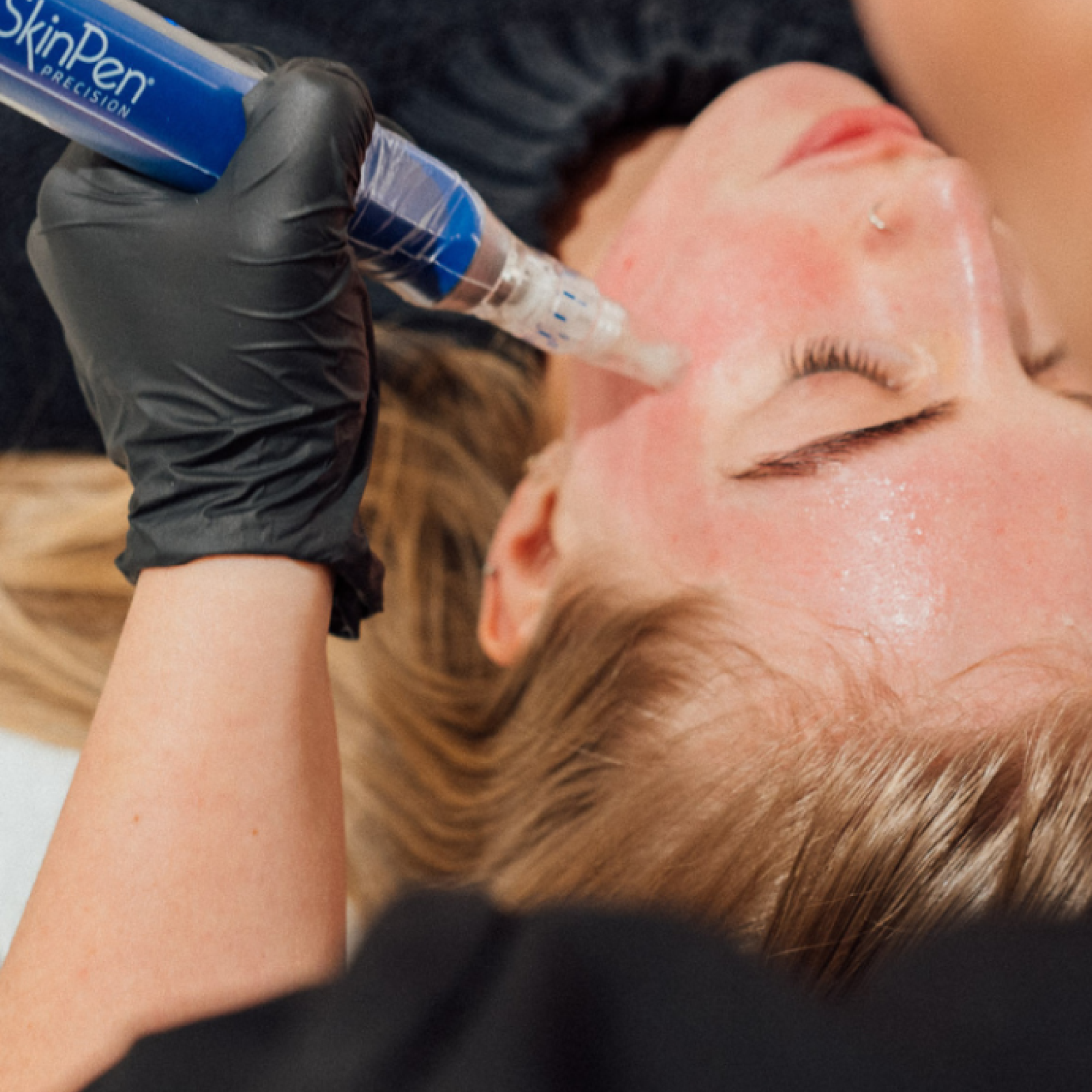
Quick answer: Autumn is often an ideal time to begin a skin treatment plan. Lower UV exposure reduces the risk of pigmentation after treatment, and a considered course started now allows time for results to develop towards spring. At Array Aesthetics in Belfast, autumn plans are built around the individual patient.
The most important variable in most medical skin treatments is ultraviolet exposure. Treatments such as Microneedling in Belfast, laser resurfacing, chemical peels, and broadband light all rely on a controlled inflammatory response to produce results, and that response is most predictable when the skin is not simultaneously coping with high sun exposure. Autumn can reduce that variable, which is why experienced clinicians talk about it as the beginning of the skin year, and why an autumn start often delivers a materially different outcome than the same course begun in July.
Why the Skin Reacts Differently in Autumn
Post-inflammatory hyperpigmentation is a well-documented risk following cosmetic procedures, particularly in patients with mid to darker skin tones, and its incidence is directly influenced by UV exposure during recovery (Davis and Callender, Journal of Clinical and Aesthetic Dermatology, 2010). When treatment creates controlled injury to the skin, the healing tissue is temporarily more vulnerable to UV-driven pigment changes, and the resulting colour disturbance can take months to resolve. Reducing UV exposure during that window is the single most reliable way to protect the quality of the final result.
Autumn does much of this work for the patient. Daylight is shorter, UV index is lower, and time outdoors in direct sun is reduced. Reduced heat and sweating in the days after treatment also support a cleaner healing response, particularly for procedures with a longer downtime. The skin biology and the calendar cooperate in a way they do not in June or July.
That biological advantage changes which treatments become possible
Because the recovery environment is more forgiving, treatments that carry a longer downtime or a stricter sun-avoidance requirement become far more feasible from October through February. This is why the autumn calendar tends to fill with the treatments patients have been considering all summer but sensibly delayed.
Microneedling
Microneedling is one of the most flexible options and one of the most commonly requested at this time of year. The treatment uses fine, controlled needles to create micro-channels in the skin, triggering a natural repair response and stimulating new collagen (Hou et al., Dermatologic Surgery, 2017). A standard course of three sessions, spaced four weeks apart, fits comfortably within the autumn calendar and produces visible improvements in skin texture, tone, and firmness in time for spring. For patients looking for microneedling near me, this is generally the point in the year when the calendar most supports a full course.
Laser resurfacing
Laser resurfacing sits at the more involved end of the spectrum.
Ablative and fractional laser treatments produce excellent results but require a careful recovery window with strict sun avoidance. Autumn provides that window, and the biological logic supporting an autumn start applies here more than to any other treatment category.
Broadband light and IPL treatments are often easier to plan during autumn because sun exposure can be more readily controlled, particularly for patients with pigmentation, redness, or the cumulative signs of sun damage that surface at the end of summer.
Structured skincare protocols benefit alongside them: retinoids, prescription-grade brightening agents, and acid-based exfoliation are easier to layer in during a lower-UV period, and results from a considered routine often accelerate through the autumn and winter months.
Why the plan matters more than the booking
Given that the biology supports treatment and the calendar makes deeper protocols possible, the difference between a good autumn outcome and a great one becomes the sequencing of the plan itself. A single session of any treatment can produce a change, but a considered course of the right treatments, delivered in the right order across the right months, is generally more useful than approaching each treatment in isolation.
This is where the choice of aesthetic clinics in Belfast starts to matter. At Array Aesthetics, an autumn skin plan is built around the individual patient by a doctor-led, RQIA-regulated team. A consultation looks at skin type, current condition, medical history, previous treatments, and the specific goals the patient wants to reach by spring or early summer. From that assessment, a sequence is proposed. Microneedling might sit alongside a course of skin boosters, a prescription retinoid protocol, or a broadband light session to address pigmentation carried over from summer. The order in which treatments are delivered matters as much as which treatments are chosen. This is the advantage of approaching skin rejuvenation in Northern Ireland as a planned clinical journey rather than a series of isolated appointments. Array Aesthetics is a three-time winner of Best Clinic Ireland and Northern Ireland at the Aesthetics Awards (2023, 2024, 2026), co-founded by Dr Chris Hutton, an aesthetic trainer and Merz innovation partner. The plans that come out of the consultation room reflect that clinical depth.
The Timing Advantage: What the Calendar Looks Like
For patients starting an autumn plan, the working calendar usually looks something like this.
October and November are strong months to begin. Consultation, skin assessment, and the first treatment sessions fit comfortably into this window, and any early redness or peeling has time to settle before Christmas or year-end events.
December is well suited to maintenance sessions, skincare adjustments, and further treatments in a standard course.
January and February are traditionally quieter months, useful for more involved treatments or for beginning slower-acting protocols such as skin boosters, polynucleotides, or laser work that requires a longer recovery.
By March, the skin has typically had time to respond to the treatments delivered across the autumn and early winter, and the results of a well-sequenced plan begin to show.
Aftercare Through the Autumn Months
Skin treatments in autumn come with the same fundamental aftercare principles as at any other time of year. Daily broad-spectrum SPF is non-negotiable, even in Northern Ireland winter light. Strong actives such as retinoids and acid exfoliants are paused around treatment days according to the protocol. Gentle cleansing, considered hydration, and adequate sleep support recovery. The advantage of autumn is that the surrounding environment tends to cooperate. Lower ambient temperatures, less time outdoors in direct sun, and a more settled skin baseline all mean the after-effects of treatment can be easier to manage than the same treatment delivered in high summer.
How to Know if Now Is the Right Time
An autumn skin plan is often the right choice for patients noticing pigmentation or uneven tone after increased summer sun exposure, patients who have noticed dullness or fine lines becoming more visible, patients preparing for a spring or summer event, and patients who have been considering treatment for months and want a properly considered start rather than a reactive booking. The consultation is where the answer is found. An honest assessment of what the skin needs, and which combination of treatments will deliver it, is worth more than a treatment chosen from a menu.
Booking a Skin Consultation in Belfast
Autumn skin plans at Array Aesthetics begin with a consultation. The clinical team will assess the skin, discuss goals, and recommend the sequence of treatments most likely to produce a genuine result by spring. Appointments are arranged through the Pabau booking system on the Array Aesthetics website, or by calling the Belfast clinic on 028 9457 1840.
Frequently asked questions
Is autumn really better than other seasons for skin treatments?
For most medical skin treatments, yes. Lower UV exposure reduces the risk of post-treatment pigmentation and colour change, and the calendar offers a clear runway to visible results by the following spring.
How many microneedling sessions will I need this autumn?
Most patients complete a course of three sessions spaced approximately four weeks apart. Patients with more established concerns such as acne scarring may benefit from a longer course. The right plan is confirmed at consultation.
Can I combine treatments during an autumn skin plan?
Yes, and combining well-sequenced treatments often produces the strongest results. Microneedling pairs well with skin boosters, considered skincare, and, where appropriate, broadband light. Sequencing is planned at consultation so each treatment supports the next.
What if I have holiday sun exposure planned?
Timing matters. Some treatments require a period of strict sun avoidance beforehand and afterwards. The clinical team will work around planned travel and adjust the sequence so results are not compromised.
Do I need to change my skincare routine to support autumn treatments?
Often, yes. A short, considered skincare adjustment supports treatment results and is included as part of the plan where relevant. Prescription-grade skincare is used where clinically appropriate.