What are cheek fillers?
Cheek fillers can replenish lost volume and encourage a gentle youthful lifting effect.

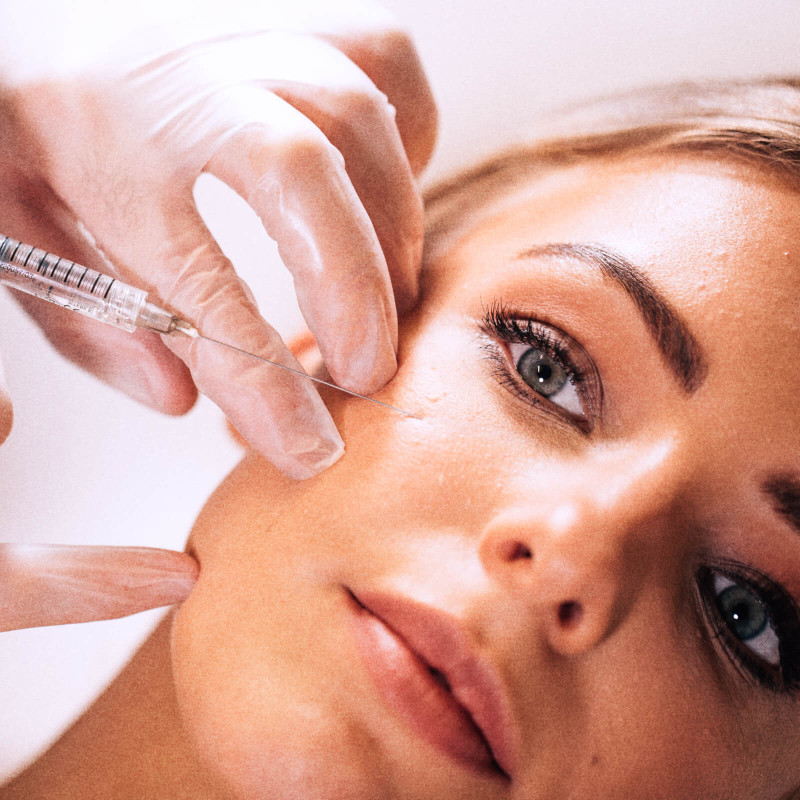
It is normal to experience a loss of facial volume and skin elasticity as we age. Cheek filler is an easy, non-invasive way to restore lost volume. There is no one standard approach to facial rejuvenation. At Array, medical professionals tailor treatment to each patient, producing natural results, that leave patients refreshed and revitalised versions of themselves.
Experienced medical professionals at Array administer injectables with the utmost precision and skill to achieve each patient's desired outcome.
The midface is often the first place this shows. As the cheek's fat pads gradually shrink and the underlying bone remodels, the face can look flatter and more tired than you feel. Array's doctor-led, RQIA-regulated team in Belfast uses Belotero from Merz Aesthetics to restore projection with precision, and a review is offered at two weeks once any swelling has settled.
Complementary Treatments
Cheek filler is often built into a wider facial rejuvenation plan at Array rather than delivered in isolation. Restoring midface volume changes how the rest of the face reads, so it is common to address dynamic lines, skin quality or under-eye hollowing alongside it. The order matters as much as the choice of treatment, which is why your clinician will plan everything together at consultation, so each treatment builds on the last and the overall result looks balanced and natural.
Treatments often paired with cheek filler at Array:
Anti-wrinkle injections: softens dynamic lines in the upper face.
Profhilo: improves hydration and overall skin quality alongside restored volume.
Polynucleotides: supports skin quality and elasticity.
Tear trough filler: addresses under-eye hollowing linked to midface volume loss.
Jawline filler: adds direct definition to the lower face.
Click or drag the slider upwards or downwards to see more of the before/after image.
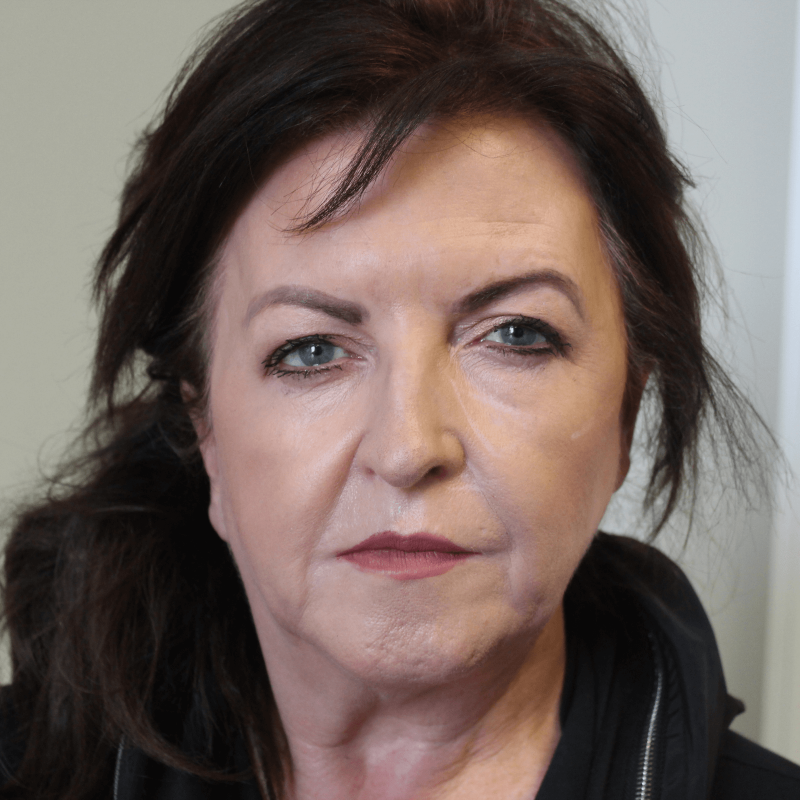 Before
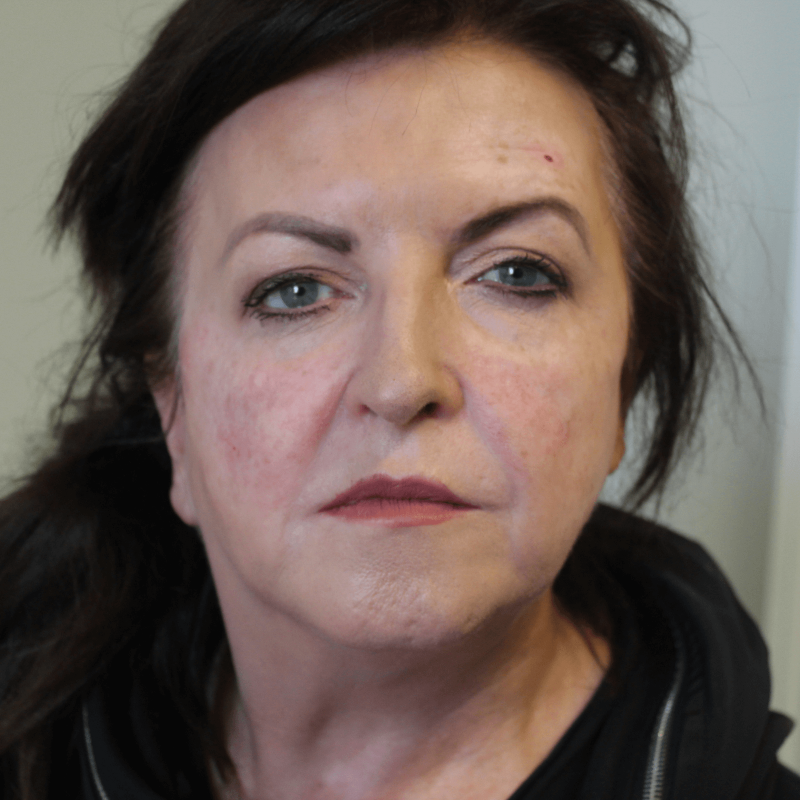 After
After
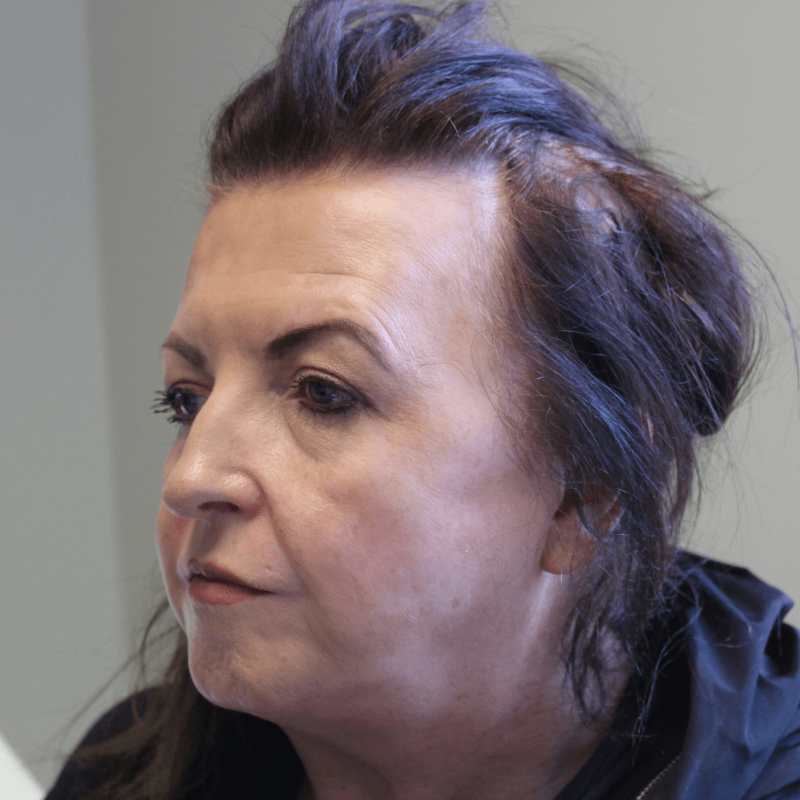 Before
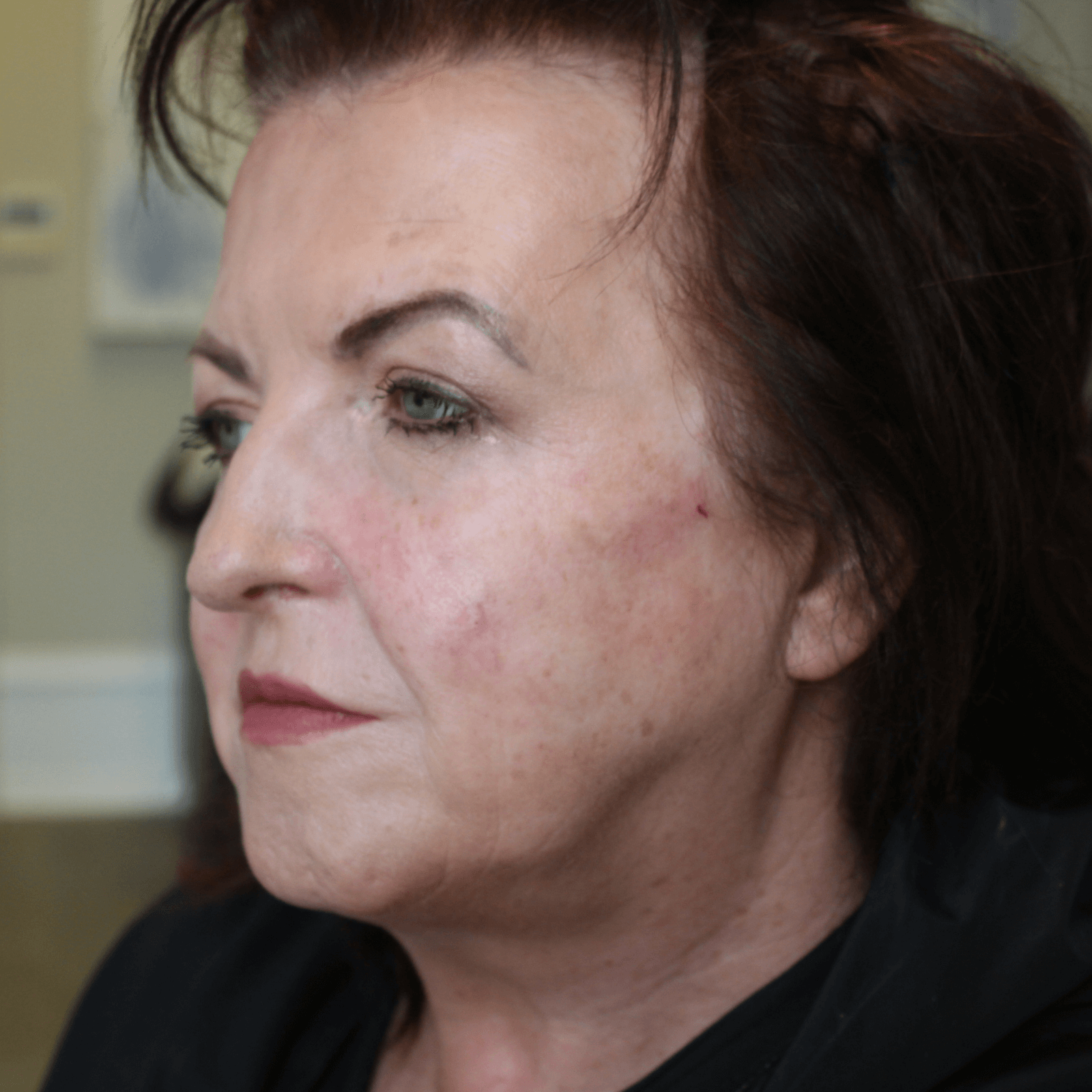 After
After
Cheek filler is a hyaluronic acid injectable used to restore lost volume in the midface, one of the earliest and most visible areas affected by structural ageing. As fat pads shrink and bone remodels over time, the cheeks flatten and the face can appear tired even when it is not. At Array we use Belotero, manufactured by Merz Aesthetics, for its softness and natural integration with the surrounding tissue. Results are visible immediately, though the true outcome is best assessed at two weeks, once initial swelling settles.
Cheek filler is placed strategically in the midface, either deep against the bone or in the subdermal layer, depending on the volume required and the effect being sought. The hyaluronic acid restores lost projection and lifts the surrounding tissue, softening lines that develop below the cheek and supporting the jawline through indirect lift. Treatments take around thirty minutes and are performed using either a fine needle or a blunt cannula. Results are immediate, with swelling settling over the following week.
Cheek filler is the right treatment when the goal is to restore lost midface volume or enhance existing cheek projection. Because the cheek supports the framework of the face, well-placed filler can also improve the jawline and tear trough area indirectly. Midface anatomy varies significantly, which is why every patient is assessed individually before treatment is planned. What matters most is the injector's judgement about how much to place, where to place it and when to stop. Occasionally the right recommendation is to sequence other treatments first, such as skin quality or laxity work, when those concerns matter more than volume.
Cheek filler at Array is delivered by co-founder Dr Chris Hutton (GMC: 7039324), an experienced lead injector and Merz Aesthetics training partner, within a multi-doctor team co-founded with Dr Judith Storm.
Cheek filler is one of several treatments used to address midface changes. Skin quality treatments such as Profhilo and Polynucleotides improve elasticity and hydration but do not restore volume. Energy-based treatments such as Morpheus8 and Ultherapy address skin laxity at deeper structural depths but again do not add volume. Surgical options such as a midface lift or fat transfer are more invasive and permanent, and typically suit patients whose concerns extend well beyond volume loss alone.
Cheek filler may be appropriate if your main concern is lost volume or flatter, less defined cheeks, and you want a result that can be adjusted at future appointments. Profhilo or Polynucleotides may suit if the concern is skin quality alone. Morpheus8 or Ultherapy are appropriate when laxity is the primary concern. Surgery may be considered when volume loss is combined with significant skin excess.
From initial consultation to post-treatment support, Array's medical team take the utmost care to provide the best possible experience for patients. It is vital to choose a qualified and experienced medical professional to guarantee the optimal results from cheek filler treatment. Qualified professionals at Array have the skills and experience to guarantee this.
Cheek filler treats midface volume loss, sagging jawline, flattened or less defined cheeks and a loss of natural projection that can leave the face looking tired. By supporting the surrounding tissue, it can also soften lines below the cheek and improve the jawline indirectly. It is not intended to treat skin laxity or surface texture.
Cheek filler is placed at defined points across the midface, including the cheekbone, the anterior cheek and the submalar area beneath. The specific points and depths vary depending on your anatomy and the effect being sought. Volume is added conservatively across appointments where more than one session is planned.
Cheek filler produces immediate volume restoration, best assessed once swelling settles at two weeks. Results last nine to twelve months and are reversible if adjustment is needed. The aim is to restore lost facial volume where it has been lost rather than add where it never was, keeping the result recognisable as your own face.
A topical anaesthetic is applied first, followed by injections that take fifteen to twenty minutes. Because filler is often placed against the cheekbone, some patients feel A firm pressure rather than sharp pain. Cheeks may feel firm afterwards, with the true result apparent once swelling settles over ten to fourteen days.
Cheek filler is safe when performed by an experienced clinician using established hyaluronic acid products. Common side effects are short-lived swelling, bruising or firmness. Rarer complications such as vascular occlusion make an experienced medical injector trained in emergency reversal particularly important. At Array, treatment is delivered within our RQIA-regulated Belfast clinic.
Avoid touching or pressing on the cheeks for the rest of the day, and skip strenuous exercise, saunas and hot showers for twenty-four hours. Sleep on your back for the first night. Avoid dental work for two weeks. Bruising and swelling will settle progressively over the days that follow.
Cheek fillers can replenish lost volume and encourage a gentle youthful lifting effect.
The cheek filler treatment procedure lasts around 30 minutes. Patients may have some swelling afterwards but can typically return to normal activities immediately.
Cheek filler treatment results last between 9 and 12 months. Results vary from patient to patient.
At Array, all patients receive follow up as required. Contact a member of our team at enquiries@arrayaesthetics.com or call 028 9457 1840 to arrange your review appointment.
We mainly use a range of filler called Belotero from Merz for all our dermal filler treatments in the clinic.
There may be some mild discomfort during the cheek filler procedure.
Not when placed conservatively by an experienced clinician. It is easier to add more at your two-week review than to correct cheeks that have been overfilled from the outset.
Yes. Hyaluronic acid cheek fillers can be dissolved using hyaluronidase, an enzyme that breaks down the HA. This is offered at Array as a standalone treatment or in the rare event of complications.
This varies by patient and goal. Most patients start with 1 to 2ml per session, with additional volume added across future appointments if needed. Your clinician will discuss the appropriate amount at consultation.
Indirectly, yes. Because the cheek supports the framework of the face, well-placed cheek filler can improve the appearance of the jawline and softened lower face. It does not replace treatments designed for direct jawline definition.
Results are visible immediately, but initial swelling can distort the outcome for the first few days. The true, settled result is best assessed at two weeks. A review appointment is offered at that stage.