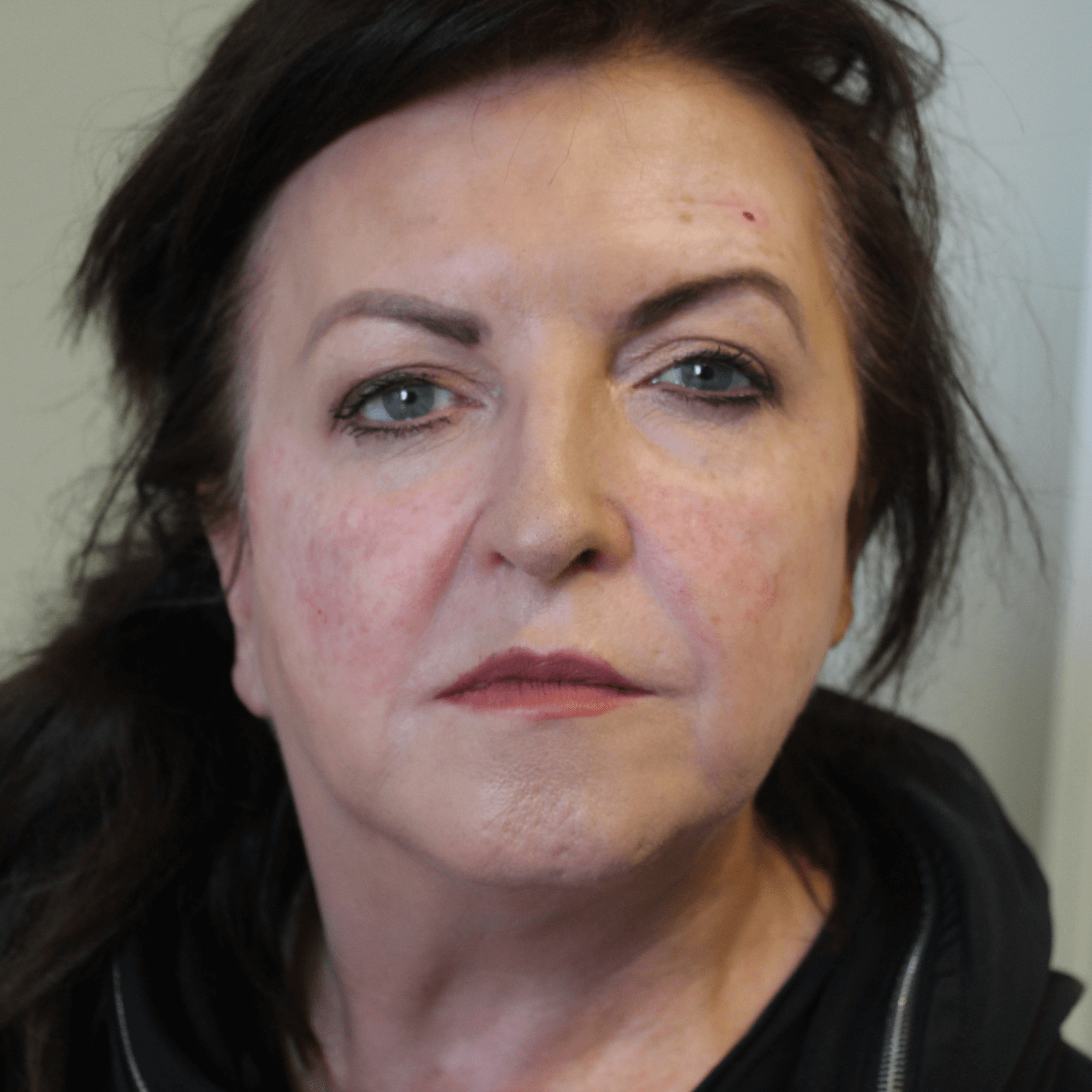
Quick answer: Cheek fillers restore volume and definition to the midface using dermal filler placed at specific anatomical points. At Array Aesthetics in Belfast, cheek fillers are delivered within a doctor-led, RQIA-regulated clinic, with results visible immediately, minimal recovery, and longevity of typically nine to twelve months.
For many patients, the moment they start thinking about cheek fillers is when the face begins to look tired rather than lined. Volume loss in the midface flattens the natural contour of the cheek, shifts the light across the face, and often makes concerns lower down, such as jowling or nasolabial folds, appear more pronounced. Cheek fillers in Belfast at Array Aesthetics restore that structural support in the right places, delivered by medically trained injectors who read the whole face rather than the cheek in isolation.
Why the Cheeks Change Over Time
The midface is one of the first areas of the face to show volume loss. Fat pads in the cheek gradually descend and shrink, the underlying bone remodels subtly with age, and the ligaments that once held the cheek in place loosen. The visible result is a flatter midface, a softer transition between cheek and lower face, and a slightly hollowed appearance that reads as tired even when the patient feels well. Our guide to facial volume loss and dermal fillers explains how these changes develop across the whole face.
Not every patient who benefits from cheek fillers is addressing an age-related change. Some present in their late twenties and early thirties with genetically flatter cheeks or a naturally undefined midface, and cheek fillers can be used in those cases to create structure rather than restore it. In both scenarios, the intention is the same: a natural, balanced result that suits the face it belongs to.
What Cheek Fillers Do
Small volumes of dermal filler placed at specific points across the midface restore support and definition to the cheek. In experienced hands, the change is meaningful without being dramatic: the cheek regains its natural projection, the midface looks refreshed rather than pulled, and the light returns to the face in a way that patients often notice long before anyone else does.
Product selection and placement are tailored to the individual patient's anatomy. The decisions made at consultation, about which product, which anatomical points, and what volume, are what separate a considered result from an obvious one.
Why the Cheek Influences the Whole Face
The cheek sits at the structural centre of the face, and this is the point most patients do not realise until it is explained at consultation. When the midface loses volume, the effects show up everywhere below it. Nasolabial folds deepen. The transition into the jawline softens. The under-eye area appears more hollow than it actually is, which is why cheek support is often assessed before tear trough filler is considered. Treating the cheek is often what improves those concerns, sometimes more effectively than treating them directly.
People searching for cheek fillers near me are often focused on adding volume to the cheeks themselves. At consultation, however, the conversation is usually broader, because restoring midface support can influence how the surrounding areas of the face are perceived. In the right patient, a relatively small volume placed strategically in the cheek can improve the appearance of concerns lower in the face without treating each area directly. This is also the reason cheek filler treatment sits within a doctor-led, RQIA-regulated setting at Array Aesthetics: the midface has important vascular anatomy and requires precise volume assessment, and the choice of clinic is what allows a considered, whole-face plan rather than a treatment delivered in isolation.
Who Is a Good Candidate
Cheek fillers suit adults in good general health who want to restore or create volume and definition in the midface. They work well for patients noticing early signs of volume loss, patients who feel their face looks tired rather than aged, patients with a naturally flatter midface, and patients whose lower face concerns would benefit from midface support before targeted treatment such as jawline filler lower down.
They are not the right answer in every case. Where skin laxity has progressed beyond what filler can support, or where the concern is primarily about skin quality rather than structure, alternative treatments such as skin boosters, energy-based skin tightening, or a structured skincare protocol may be more appropriate. Clarifying which pathway suits the individual is one of the reasons the consultation matters as much as the treatment itself.
What to Expect During Treatment
A cheek filler appointment at Array Aesthetics begins with a consultation, including an assessment of the whole face in profile and from the front. Topical numbing cream is applied. Treatment itself takes around thirty minutes, with filler delivered using either a fine needle or a cannula depending on the anatomy. Discomfort is generally mild; modern cheek filler products contain lidocaine, which adds to the comfort provided by topical anaesthetic.
Immediate improvement is visible after treatment, with the final result settling over two to three weeks as any mild swelling resolves. Recovery is minimal for most patients. Mild tenderness or occasional bruising can occur and typically eases within one to two weeks. Minor asymmetry is sometimes noticeable while swelling settles and can be assessed at review if required. More significant complications are uncommon, which is why appropriate patient assessment, detailed anatomical knowledge, and treatment in a medically led setting are important. Cheek fillers typically last nine to twelve months, with maintenance timing discussed at consultation.
Aftercare and Recovery
The first 24 to 48 hours after treatment matter. Patients are advised to avoid touching or pressing the treated area, to sleep slightly elevated on the first night, and to avoid strenuous exercise, hot yoga, saunas, and alcohol for 48 hours. Makeup can generally be reapplied at 24 hours. Written, personalised aftercare is provided at the appointment.
Booking a Cheek Filler Consultation in Belfast
A consultation at Array Aesthetics is the best way to decide whether cheek fillers, a wider midface plan, or an alternative treatment is right for you. Array Aesthetics is a doctor-led, RQIA-regulated clinic on the Lisburn Road in Belfast, co-founded by Dr Chris Hutton, an aesthetic trainer and Merz innovation partner. Consultations can be booked online at arrayaesthetics.com or by calling the Belfast clinic on 028 9457 1840.
Frequently asked questions
How much do cheek fillers cost in Belfast?
At Array Aesthetics, cheek fillers start from £300 per ml. The number of syringes required is confirmed at consultation and depends on the patient's anatomy and goals.
How long do cheek fillers last?
Cheek fillers at Array Aesthetics typically last nine to twelve months, though longevity can vary slightly with the product used and the individual patient. Maintenance timing is confirmed at consultation.
Do cheek fillers make your face look overfilled?
Not when treatment is well planned. The concern most patients bring to consultation is exactly the opposite: they want to look like a rested version of themselves rather than someone who has obviously had work done. The volume needed to restore natural definition is usually smaller than patients expect, and a doctor-led consultation confirms the right amount before treatment begins.
Can cheek fillers help with lines lower down the face?
Often, yes. Because the midface influences how the surrounding areas of the face are perceived, restoring it can visibly soften nasolabial folds and improve the transition into the lower face. This is why cheek filler is frequently the first recommendation even when the patient's original concern was somewhere else entirely.